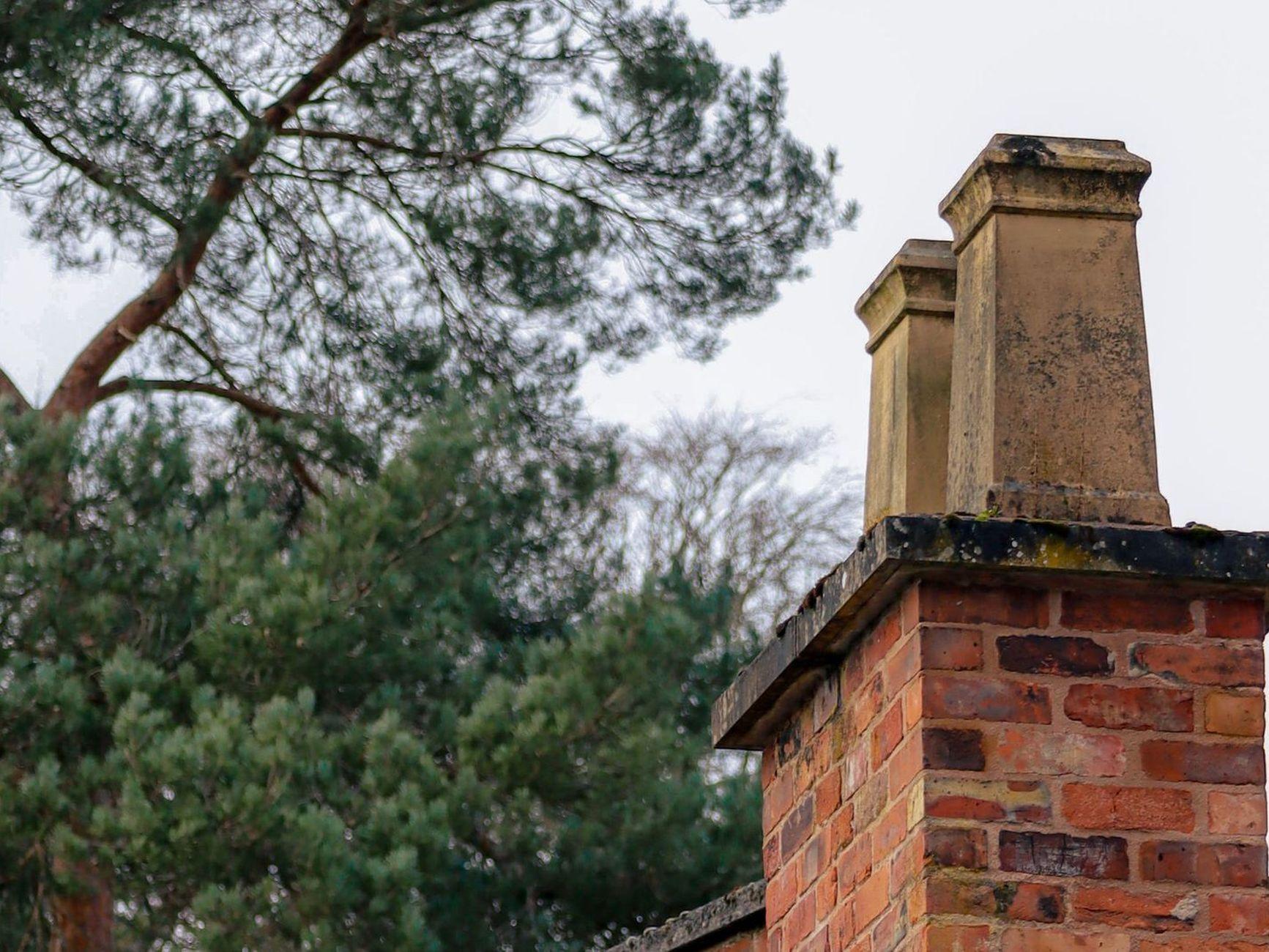
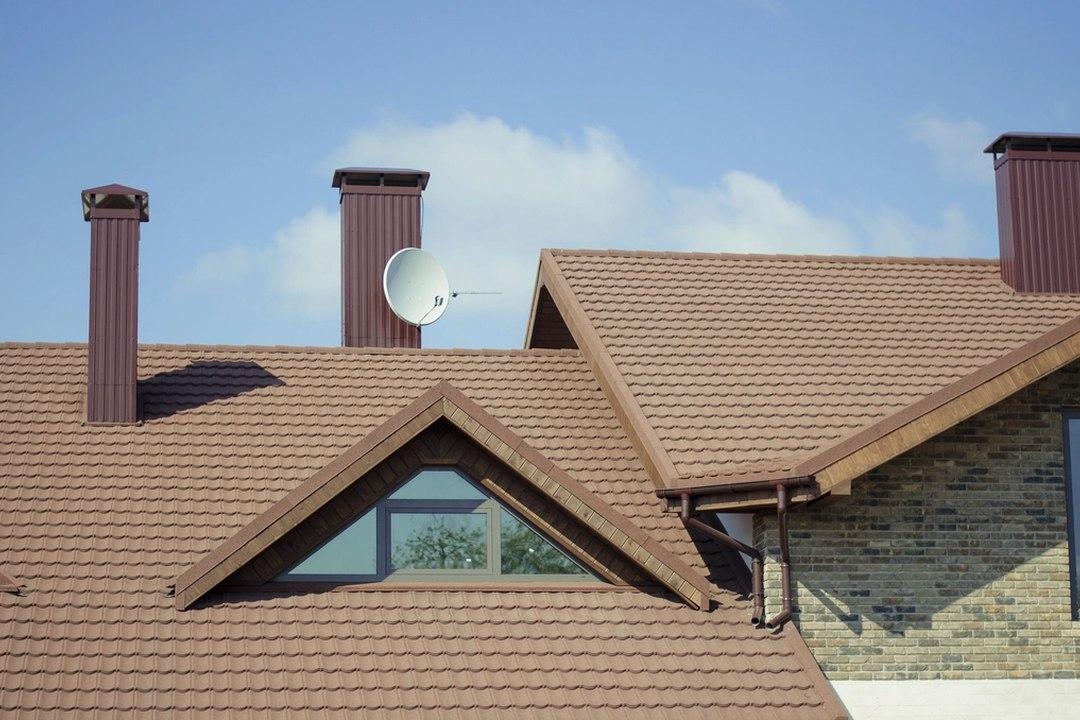
Three ways out of one finding
Every chimney finding at sale time ends one of three ways. You fix it before the buyer moves in. You give the buyer a credit and let them handle it. Or you disclose it and let the price reflect it. None of the three is right every time. This post compares them for sellers in Thousand Oaks, with our published prices beside the items that have one.
The three side by side
| Option | What the seller does | Fits |
|---|---|---|
| Repair | Hires the work, hands over photos | Safety items and water entry |
| Credit | Agrees an amount in escrow | Large work the buyer wants to choose |
| Disclose | Notes it in the disclosure packet | Wear the buyer can see and price |
When repair wins
Fix the items that touch fire safety or water. A cracked flue tile. A missing cap. A crown that lets rain into the brick. Flashing that leaks onto a ceiling. Buyers do not price these calmly. A buyer who reads "do not use fireplace until repaired" will often ask for more than the job would cost.
Repair also leaves the cleanest file. Photos of the finished work go to the agents, and the finding stops being an open question. A chimney cap, installed, is quoted after we measure. Crown, flashing and flue repairs are quoted in writing after the inspection, each on its own line.
When a credit makes more sense
A credit suits big work where the buyer has their own plans. A chimney that needs rebuilding above the roofline is the usual example. The buyer may want a different finish, or may plan to switch the fireplace to gas. Paying for a rebuild the new owner would tear out is money lost.
A credit only holds when both sides trust the number. That takes a written quote from a contractor who has been on the roof, broken out by line. A credit argued from a general inspector's comment tends to grow as escrow goes on.
When disclosure is enough
Some findings are wear, not failure. Mortar joints that are weathered but holding. A chipped hearth tile. Smoke staining on the face of the firebox. California sellers complete a disclosure statement, and listing these items with a photo lets the buyer price them before making an offer. Disclosure costs nothing beyond the inspection that found them.
Disclosure is the wrong tool for a safety item. A line that says the seller knows the flue is cracked invites a credit request anyway, now backed by the seller's own words.
What decides it for your house
Four questions sort almost every item:
- Does it touch fire safety or let water in? Lean towards repair.
- Is the fix large and partly a matter of taste? Lean towards a credit.
- Is it visible wear that is still sound? Disclose it with a photo.
- How long is left before listing or close? Some repairs wait on materials and a dry spell.
None of those questions can be answered without knowing what is actually wrong. That is why the first step is a Level 2 inspection, at $385. The camera shows the flue from the inside, and the report names each finding in plain words.
Send photos of the chimney and the firebox for a written quote. Mark any items a buyer has already raised, and we will price each one on its own line so you can sort them into repair, credit and disclose.
A typical case
Picture a single-storey house in Thousand Oaks with one masonry chimney. The Level 2 finds four things: cracks across the crown, a rusted cap, two cracked flue tiles near the top, and weathered joints on the outside face.
- The cap: repair. It has a printed price, it is quick, and its absence shows in every photo.
- The crown: repair. It is how water reaches the brick and the flue.
- The flue tiles: repair or credit, depending on whether the buyer wants to keep burning wood. A liner is a sizeable line on the quote, and a buyer heading for gas may prefer the credit.
- The weathered joints: disclose, with a photo and a note that they are holding.
That seller lists with two repairs done, one decision handed to the buyer, and one item already in the disclosure file. Nothing in the buyer's report comes as a surprise.
Earthquake cracks are their own question
Chimneys in Simi Valley, Canoga Park and the Conejo Valley that rode out the 1994 Northridge quake sometimes show old cracks right at the roofline. Those sit between the categories. They can be braced, strapped or rebuilt to the roofline, and the choice depends on the height and condition of the brick above the roof. We describe each option in the quote and price it, and you decide whether it is a repair or a credit. Our seismic retrofit service page shows what each option involves.
Where this fits in the sale
For a seller the order never changes: inspect, sort, then list. The home sale inspection page covers the inspection itself. If the sorting turns up repairs, the up-to-code repairs page lists the usual fixes, and the post on hiring for escrow repairs covers the paperwork once a buyer is in.
Mixing the three on one house
Most houses end up with a mix. That is normal, and it reads well to buyers. A file that shows two repairs done with photos, one item offered as a credit with a written price, and one item disclosed with a note looks like a seller who knew the house and dealt with it. Buyers and their agents respond to that. A file with nothing in it, followed by a surprise from the buyer's specialist, reads the other way.
Call to sort your list
Use the call button on this page. Tell us the address, whether a buyer's report exists yet, and when you plan to list. We will book the inspection and send a quote laid out line by line, ready to sort.
Selling Soon? Start With the Chimney
Fairfax Chimney Contractors works out of Thousand Oaks on chimneys and fireplaces for owners getting ready to list. Call or use the form, and we will inspect, photograph and price what a buyer would find.