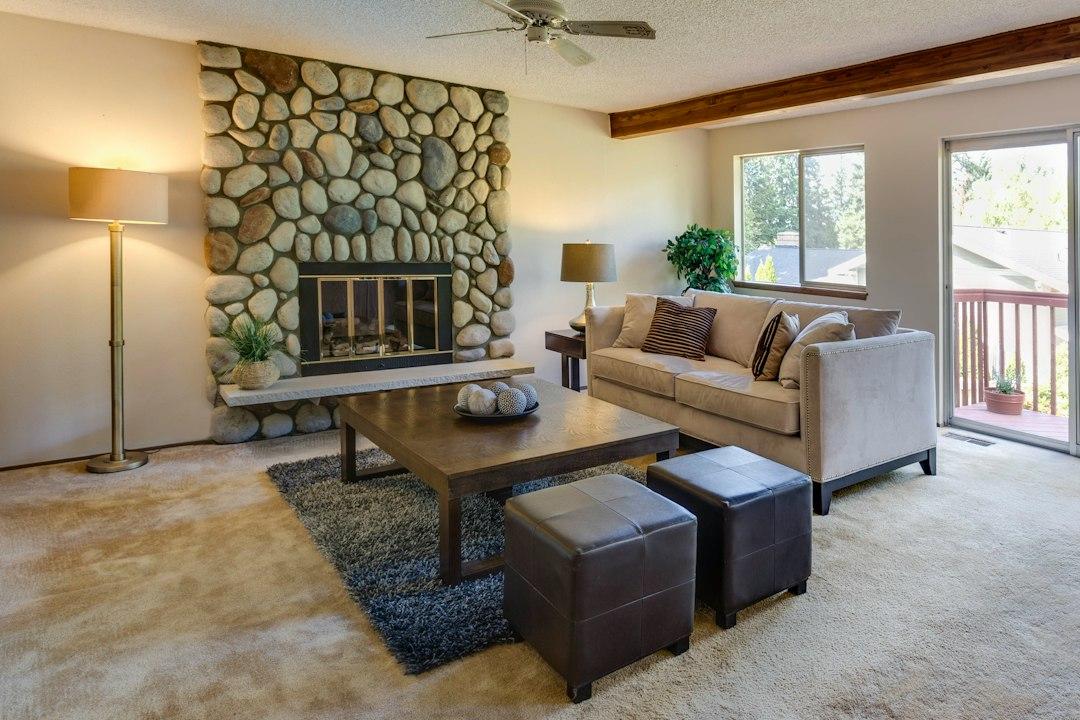
Level 1 or Level 2 for a sale
Chimney inspections come in three levels under NFPA 211. Level 1 covers the parts you can reach and see: firebox, damper, the visible flue, the cap. Level 2 adds a video scan of the whole flue, plus the attic, crawl space and roof wherever the chimney passes through them. The standard calls for a Level 2 when a property is sold or transferred, and after a chimney fire, an earthquake, or a change of appliance.
For a seller, that sale clause is the part that counts. A Level 1 at $54 tells you whether the fireplace is fit to use this weekend. A Level 2 at $385 tells you what the buyer's chimney specialist is going to see. Only the second one answers the buyer.
What the camera checks
- Every flue tile joint from the smoke chamber to the top
- Cracks, gaps and missing mortar inside the flue
- The smoke chamber walls and the damper frame
- Clearance to wood framing in the attic and at the roof
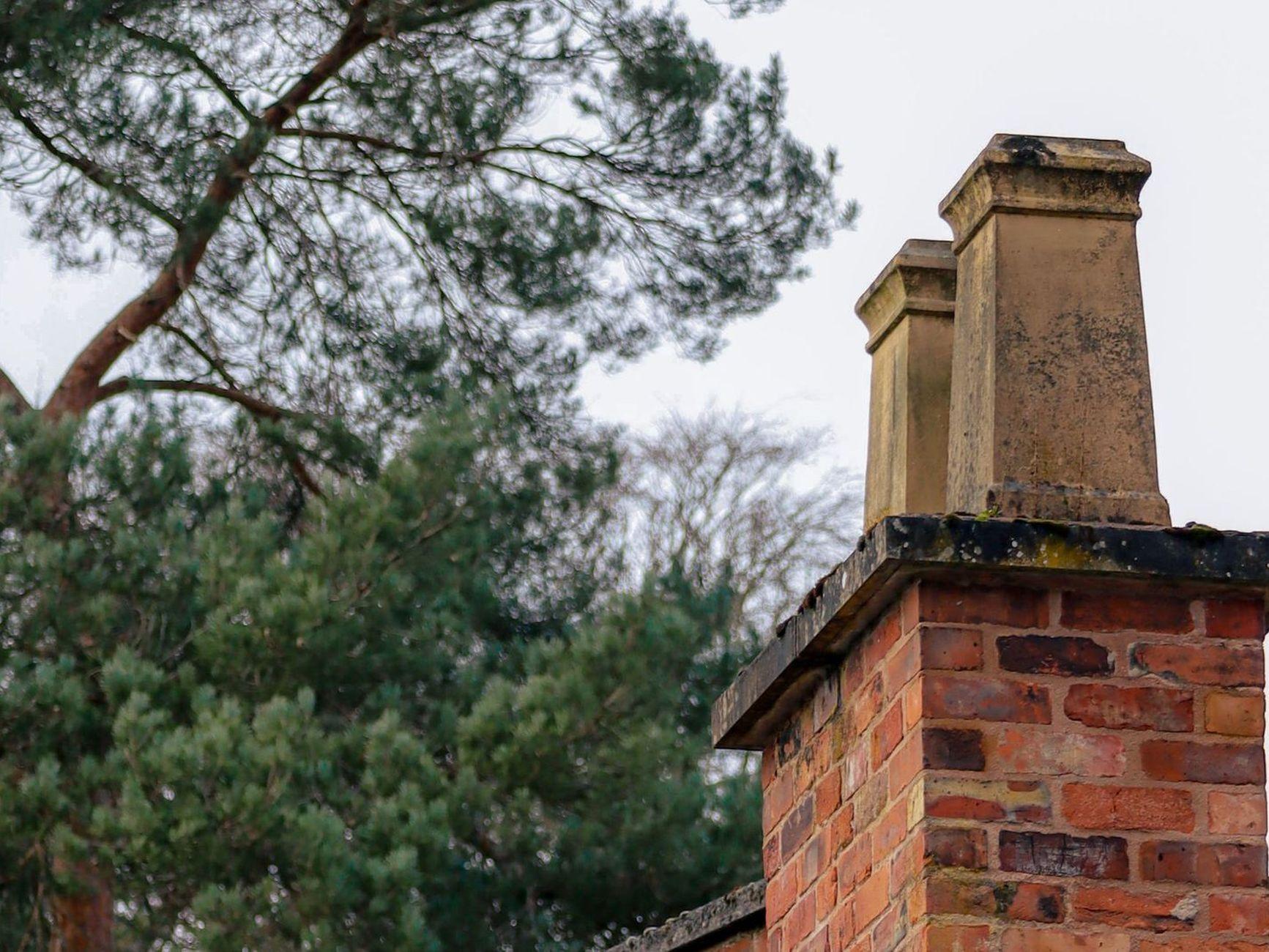
- The crown, cap, flashing and outside brick
- Any gas line, insert or stove tied into the flue
Each finding gets a photo or a still from the video, plus a plain sentence about what it means for the house and the sale.
When to book it
Book it ahead of the listing photos and ahead of the disclosure statement. The order matters. If the inspection finds work, you want room to choose between repair, credit and disclosure, which our post on repair, credit or disclose lays out. If it finds nothing, the clean report goes straight into the packet and the question is closed before a buyer can open it.
What can wait: the sweep can happen just before the photographer comes. Cosmetic work on the surround can be decided once the report is in hand.
Who receives the report
You receive a written report with photos, the inspection level stated at the top, each finding in plain words, and a quote for any repair, line by line. It comes to you first. On your say-so it also goes to your listing agent, and later to the buyer's agent once you have an accepted offer. Some sellers hand it to buyers at the first showing. Others hold it in the disclosure file. Either way, you decide who sees it.
Quake history and older flues
Thousand Oaks and the towns around it have felt several large quakes, the 1994 Northridge quake above all. Masonry chimneys from before that year sometimes carry cracks at the roofline, or a slight lean, that nobody notices from the driveway. A Level 2 looks at the brick above the roof and at the flue from inside, which is where that kind of damage shows. If the camera finds it, the quote describes the options in plain terms first (bracing, straps, or a rebuild to the roofline) and then prices them in writing.
Older clay flues are the other common thread. Many houses in Thousand Oaks, Simi Valley and Canoga Park were built with clay tile flues in the 1960s and 70s. Tiles crack with age and with heat. A cracked tile is among the most frequent reasons a buyer's specialist writes "do not use", and a chimney liner installation is the usual fix.
What sets the inspection price
The range runs from $385 because houses differ. The low end is a single straight flue on a single-storey roof. The price climbs with a second storey, a steep tile roof, a second flue, or an insert that has to come out so the camera can reach the flue behind it. We tell you which applies when you book, before the visit.
Send a photo of the chimney from the street and tell us how many fireplaces the house has, for a written quote. We will reply with the price for your house and the inspection level that fits the sale.
Gas fireplaces count too
A fireplace with gas logs still vents through a flue, and buyers' inspectors still look at it. The Level 2 checks that the flue is open and lined, that the damper is fixed open or clamped as the gas appliance needs, and that nothing has nested at the top. If the house has a gas insert, the camera checks the liner that runs from the insert to the cap.
Rules sellers ask about
Buyers in Calabasas and Canoga Park sit inside the South Coast AQMD, where Rule 445 covers wood burning. Thousand Oaks and Simi Valley fall under the Ventura County APCD instead. The Level 2 at a sale comes from NFPA 211 and from the buyer: the standard calls for it when a house changes hands, and the buyer's side will ask for one anyway. Booking it first means the report is yours rather than theirs.
What happens after the report
Most pre-listing reports land in one of three places. A clean report goes in the file. A report with small items, such as a cap or a sweep, gets those done before photos. A report with larger items, such as a crown or a liner, goes to the sorting stage. Our post on pre-listing chimney costs shows what those larger items involve, and our home sale inspection page covers condos and townhouses with shared flues.
Condos and shared chimneys
Townhouses and condos in Thousand Oaks sometimes share a chimney stack with the unit next door, or sit under a roof the association maintains. A Level 2 still checks the flue serving your unit, but the crown, the cap and the outside brick may belong to the HOA. The report says which findings sit in your unit and which belong to the association, so the right party gets the repair request and the disclosure reads correctly.
Book the Level 2
Use the call button on this page. Tell us the address, the number of fireplaces, and your listing month. We will book the inspection and send the report and photos to you and anyone you name.
Selling Soon? Start With the Chimney
Fairfax Chimney Contractors works out of Thousand Oaks on chimneys and fireplaces for owners getting ready to list. Call or use the form, and we will inspect, photograph and price what a buyer would find.