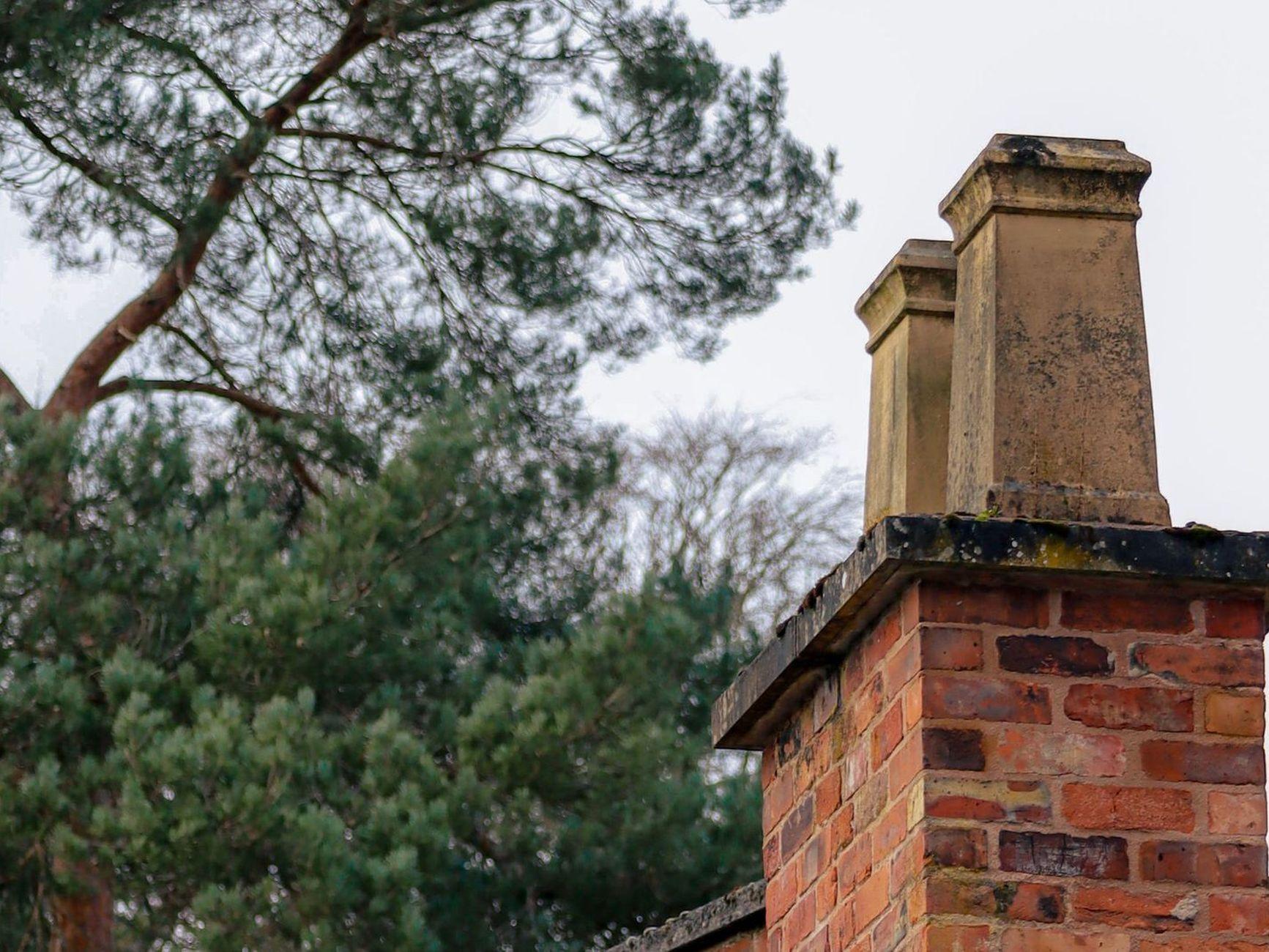
Two piles of cost
Chimney work before a listing sorts into two piles. The first pile carries a printed price: a Level 1 look, a Level 2 inspection with a video scan, a sweep and a cap. The second pile has no printed price, because it depends on what the camera finds inside the flue and what the brick looks like up on the roof. Crown work, repointing, a new liner and a leak traced to the flashing all land in that second pile, and each one is quoted in writing after the inspection, line by line.
This post walks through both piles for a house in Thousand Oaks that is about to go on the market. It also sorts the work by timing: what is worth paying for this week, and what can sit until a buyer is in escrow and asks for it.
Why a seller pays for the look first
A buyer's general home inspector shines a light into the firebox, glances at the roof, and very often writes one line: further evaluation by a chimney specialist. That line costs sellers more than most repairs. It reopens the price, it squeezes a second inspection into the buyer's contingency period, and it hands the buyer's agent a reason to ask for a credit before anyone knows what is actually wrong.
Paying for the specialist look before listing turns that line into a known fact. You hold the report, the photos and a written quote before the first open house. Whatever the buyer's inspector writes later, the answer is already sitting in your disclosure file.
The prices we publish
| Item | Price |
|---|---|
| Level 1 chimney inspection | $54 |
| Level 2 chimney inspection with video scan | $385 |
| Chimney sweep | from $415 |
| Chimney cap, installed | quoted after we measure the flue |
The Level 2 range is wide on purpose. A single-storey ranch house with one straight flue sits near the bottom of it. A two-storey house with two fireplaces, an offset flue, or a steep tile roof sits higher. When you book, we tell you where your house falls, so the inspection price is settled before anyone climbs a ladder.
What moves the price of everything else
Anything outside that table is priced after the inspection. These are the things that push the number up or down:
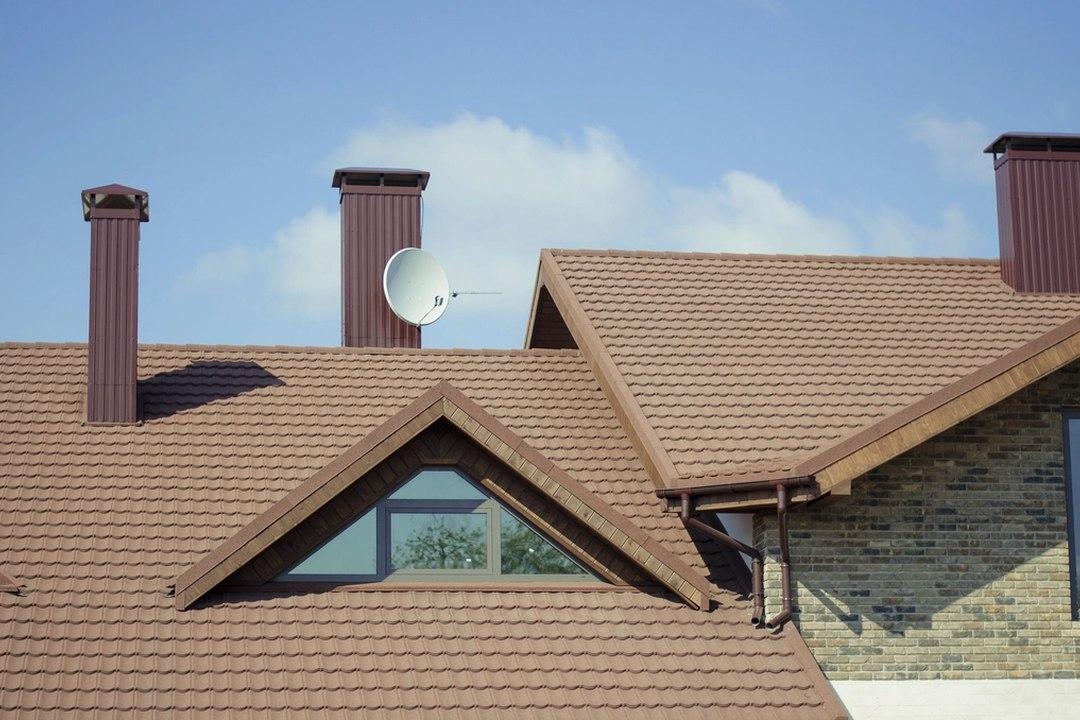
- Height and roof access. Clay tile roofs, common across the Conejo Valley, take more care to cross than composition shingle.
- How far the damage runs. A hairline crack in a crown is a patch. A crown split through to the flue tiles is a new pour.
- Masonry condition. A few open joints get repointed. Brick that has flaked across a whole face is a larger job.
- The flue. Cracked clay tiles may call for a liner, priced by the height of the chimney and the size of the flue.
- Earthquake history. Some chimneys that rode out the 1994 Northridge quake carry old cracks at the roofline. Bracing, straps or a rebuild to the roofline are priced by the height above the roof.
Every line on the quote stands on its own. You can approve the crown and leave the repointing, or the other way round, without the rest of the numbers shifting.
The order that keeps cost down
Book the inspection before the listing photos are taken. If the report comes back clean, it goes into the disclosure packet and you move on. If it finds work, each line gets one of three answers: fix it before listing, offer the buyer a credit, or disclose it and let the asking price carry it. Our post on repair, credit or disclose compares those three in detail.
Two items earn their cost this week in nearly every sale. A missing or rusted cap lets rain and animals into the flue, and every buyer's inspector photographs it. A sweep before the photographer arrives means a clean firebox in the listing pictures. Both carry printed prices above.
Items that can usually wait: a dated surround, a hearth tile that is chipped but sound, a damper that sticks but still closes. Write them down and decide once you see what the buyer actually asks for.
Getting your written quote
Photos are the quickest route to a number. Take one of the chimney from the street, one of the firebox with the damper open, and one of the crown if a window or the back yard gives you a view of it. Then tell us the month you plan to list. Send those photos and your listing month for a written quote, and we will reply with the inspection level that fits and what the visit costs.
What we tend to find in Thousand Oaks
Many houses across Thousand Oaks and Newbury Park went up in the 1960s, 70s and 80s with a masonry chimney and a clay tile flue. Those flues are now old enough that the camera often finds a cracked tile or an open joint partway up. Houses in Simi Valley and Canoga Park share the pattern, and many of them took hard shaking in 1994.
Winter rain is the other steady finding. Water gets in at the crown or under the flashing, and by the time a buyer spots a stain on the ceiling beside the chimney, a small repair has grown into a bigger one. A pre-listing inspection usually catches it while it is still a single line for the crown or the flashing.
Summer heat plays its part too. A crown that bakes all August and then soaks all February opens up along its shrinkage cracks, and that is the photo a buyer's inspector likes to take.
What you receive after the visit
You get a written report with photos of every finding, the inspection level stated at the top, and a quote with each repair on its own line. It comes to you, and to your listing agent if you ask us to send it there. It is written in plain words so it can go into the disclosure packet as it stands. If repairs follow, you also get photos of the finished work.
Related reading: what a Level 2 inspection before listing covers, and our chimney Level 2 inspection service.
Book the pre-listing visit
Once you know your listing month, use the call button on this page. Tell us the address, how many fireplaces the house has, and whether the chimney has had any work before. We will book the inspection and send the report to you and your agent.
Selling Soon? Start With the Chimney
Fairfax Chimney Contractors works out of Thousand Oaks on chimneys and fireplaces for owners getting ready to list. Call or use the form, and we will inspect, photograph and price what a buyer would find.