Water is the finding buyers fear
Of everything a buyer's report can say about a chimney, water worries people most. A stain on the ceiling beside the chimney breast, a damp smell in the firebox after rain, rust streaks under a metal chase cover. Buyers read those as hidden damage, and they price them that way. This post covers the four water repairs we quote most often for sellers in Thousand Oaks, what each one fixes, and how the written quote is laid out so it holds up in escrow.
Where the water gets in
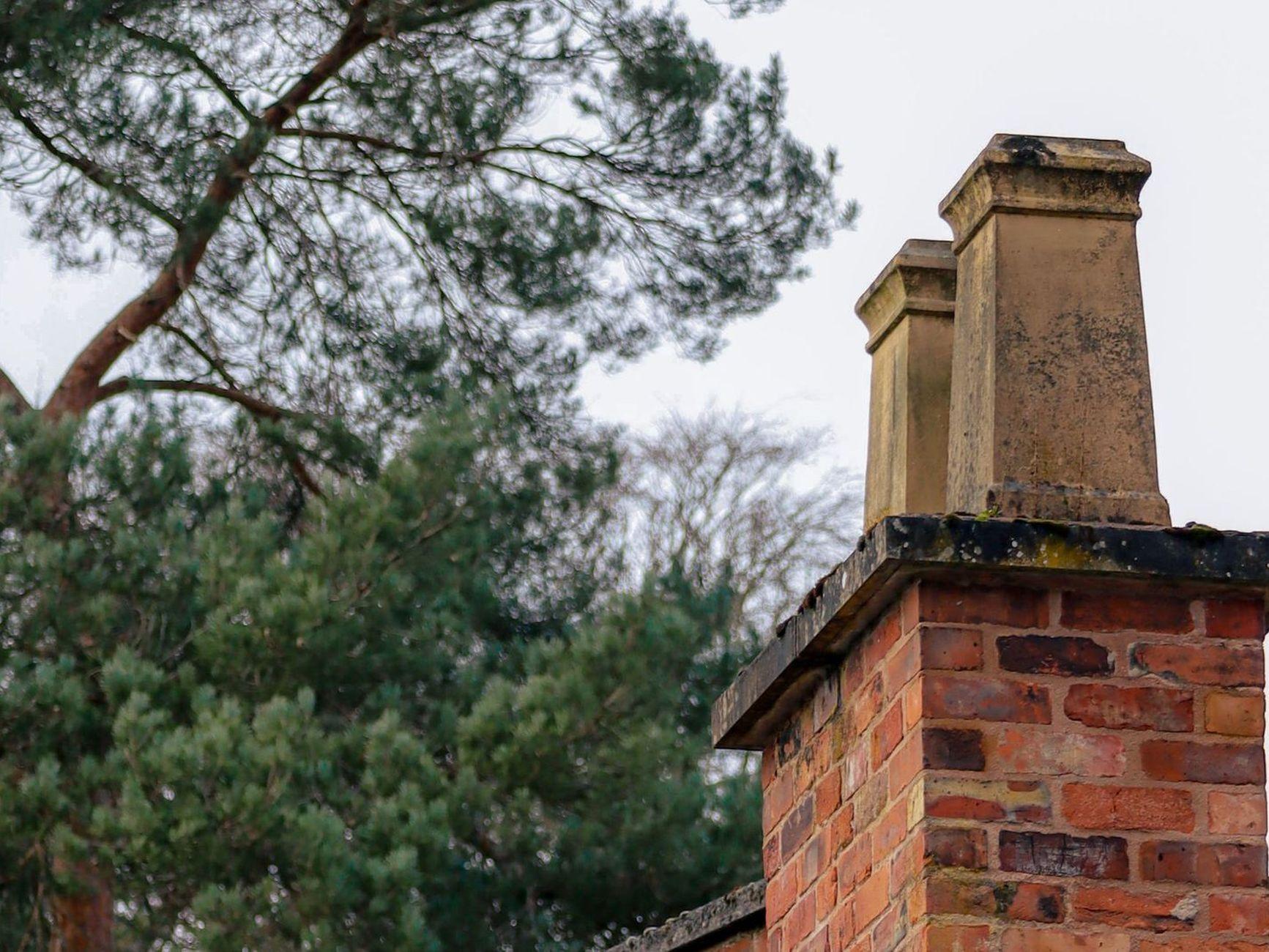
- The crown. The concrete cap on top of a masonry chimney cracks as it bakes and cools. Rain runs into the cracks and down through the brick.
- The flashing. Metal where the chimney meets the roof lifts or rusts through, and water runs down the outside of the chimney into the attic.
- The brick face. Old brick and soft mortar soak up rain like a sponge, and the water shows up inside as a stain or a musty smell.
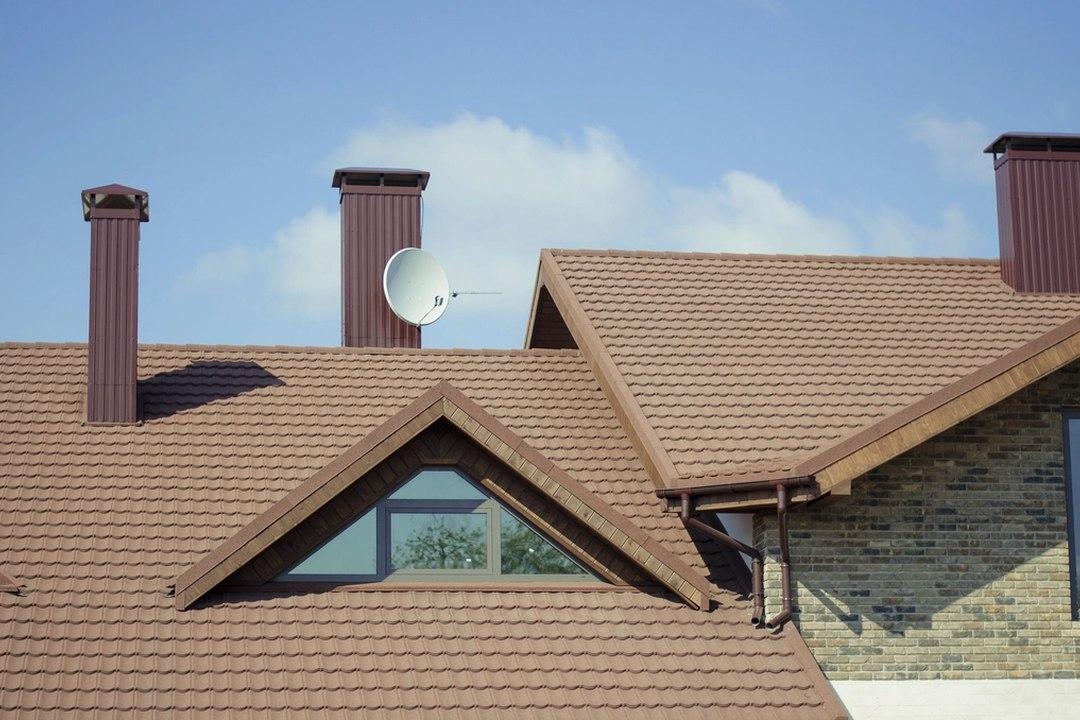
- The chase cover. On a framed chimney with a metal flue, the steel top pan rusts, dishes in the middle and holds water until it leaks.
A wet firebox can come from any of the four. The fix depends on which one it is, so a guess from the ground is not worth much.
What each repair covers
Crown repair runs from sealing hairline cracks to cutting off a failed crown and pouring a new one with an overhang that sheds water clear of the brick. A crown that has split through to the flue tiles is a new pour.
Leak repair starts by finding the source. We look at the crown, the flashing, the brick and the cap together, because a stain inside rarely sits right below the gap outside. The repair may be new flashing, a reset counter-flashing, or a section of repointing.
Waterproofing is a vapour-permeable sealer applied to sound brick after the repairs are done. It lets moisture out and keeps rain from soaking in. It does not fix cracked brick or open joints, so those come first.
A chase cover replacement swaps a rusted pan for a new one with a slope and a drip edge, sized to the chase and the flue.
What the quote looks like
Each of these is quoted in writing after an inspection, one line per repair. That format matters in escrow. If the buyer asked for the crown and the flashing but not the sealer, you can approve those two lines without the rest moving. Each line names the finding, shows the photo, and says what the repair includes and leaves out.
The inspection itself has a printed price. A Level 2 with video scan is $385, and it covers the roof, the attic and the flue, which is where water damage hides. A new cap, installed, is quoted after we measure, and it often goes on the same visit as a crown repair.
What sets the price, and the next step
The price of a water repair turns on how far the water has travelled. A crown caught early is a seal. A crown that has let water into the flue for several winters may mean cracked tiles and a liner as well. The same goes for flashing: lifted metal is a quick reset, rotted roof decking beneath it is a bigger line.
Send a photo of the crown or the stain inside, plus the buyer's report page if you have one, for a written quote. We will tell you whether the photos are enough to price the job or whether we need the Level 2 first.
What can wait and what cannot
Active leaks cannot wait. Every rain makes the repair bigger, and a stain that is still spreading during escrow is the kind of thing that sends a buyer back to the table. Fix the source before listing if you can.
Sealer can wait. If the brick is sound and the crown and flashing are fixed, waterproofing is a good addition but not something a buyer will usually insist on. A seller can offer it as a line on the quote and let the buyer decide.
A sticking damper can usually wait as well. If it closes, it is not letting water in. If it has rusted open from water coming down the flue, the damper repair goes on the same quote as the crown.
Thousand Oaks weather and chimney tops
The weather here is hard on crowns in a particular way. Long hot summers dry the concrete out and open its shrinkage cracks. Winter storms then drive rain sideways into those cracks, often with wind behind it. Houses higher on the hillsides in Thousand Oaks and Calabasas catch more of that wind. Santa Ana days add dust and grit that settles on the crown and holds moisture against it once the rain comes.
For sellers, that means a crown that looked fine at purchase may not look fine at sale. A pre-listing look in the dry months, when repairs can cure properly, is the calm way to deal with it. Our post on pre-listing chimney costs covers the full list.
Paperwork after the fix
Water repairs leave a paper trail that buyers like to see. Once the work is done, you receive photos of the finished crown, flashing or chase cover, a short written note of what was replaced, and the date. That page goes into the disclosure file or to the buyer's agent if escrow is already open. If a stain is still visible inside after the source is fixed, the note says so, which lets a buyer see that the cause is handled and only the paint remains.
Call to book the water repairs
Use the call button on this page. Tell us where the water shows, whether a buyer has raised it, and when you plan to list or close. We will book the inspection and send a line-by-line quote.
Selling Soon? Start With the Chimney
Fairfax Chimney Contractors works out of Thousand Oaks on chimneys and fireplaces for owners getting ready to list. Call or use the form, and we will inspect, photograph and price what a buyer would find.